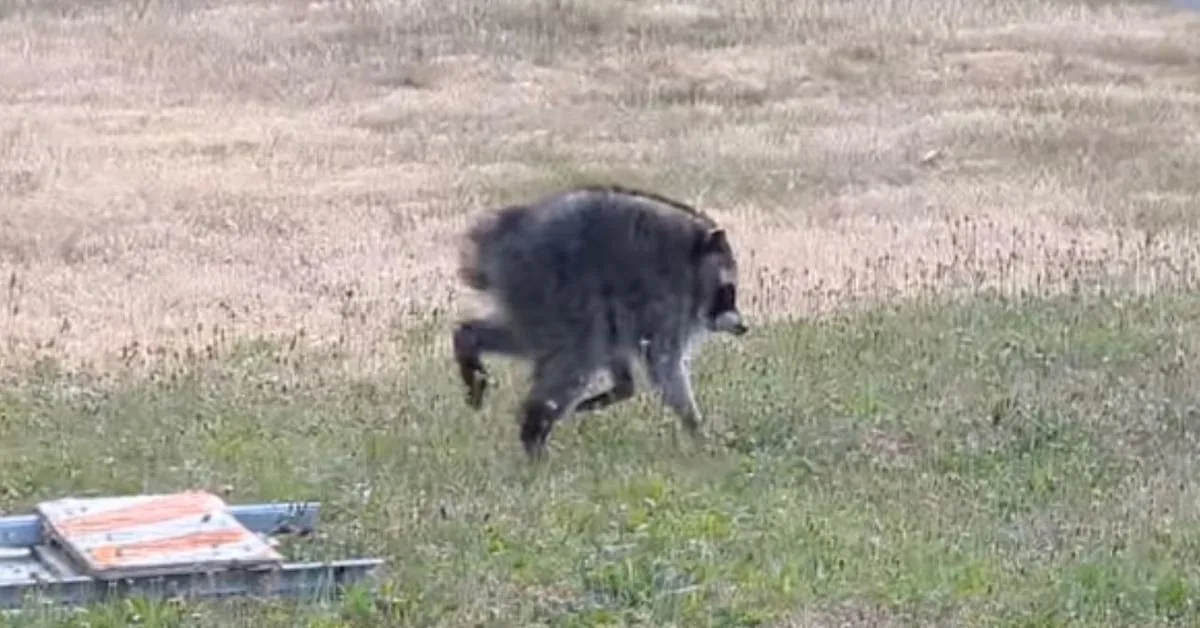
SEATTLE, WA — Jimothy the raccoon is real. What the internet keeps inventing is everything he supposedly does after the fact. The compact Seattle raccoon went viral after Kiana Hall, a 33-year-old marketing specialist, filmed him near the Ballard Goodwill on July 13 and posted the clip the next day, giving him the name Jimothy.
By July 18, that original video had drawn more than 7 million views, and wildlife experts said his unusual shape could be explained by short spine syndrome, a condition that can affect some animals. From there, the internet did what it does best and least responsibly: it turned a real animal into a digital character.
Fans Go All In
People have treated Jimothy like a local celebrity, with fan art, tattoos, a mural, and a dedicated corner of Reddit’s r/Seattle all following close behind. Even bigger brands and institutions jumped into the joke. The Seattle Mariners added a Jimothy mascot to their Salmon Run race at T-Mobile Park, Google built an Easter egg, and the University of Washington gave him an honorary degree.
The list got stranger from there. The Seattle City Council recognized him, the White House gave him a shout-out, and game-related tie-ins appeared from Blizzard Entertainment, Jagex, D&D Beyond, and even Roku City. It is a very modern kind of fame: part neighborhood pet story, part civic in-joke, part marketing opportunity.
How It Started
The original appeal was simple enough. Jimothy’s compact body and awkward gait made him instantly memorable, and Hall’s clip captured a raccoon that looked a little off from the usual backyard bandit. That visual oddness helped the video travel quickly, and the internet promptly attached a name, a personality, and a whole backstory to him.
Once that happened, the remix machine took over. What began as a genuine raccoon sighting became a shared joke that was easy to expand, and that is exactly why it spread so fast. The real animal did not ask for any of it, but the internet saw a blank canvas with fuzzy ears.
Where It Stands
Now the main problem is that many of the clips circulating online are not real footage at all. They are AI-generated scenes that place Jimothy in fantasy worlds, game settings, and cinematic moments he never experienced. In other words, the raccoon is genuine, but a lot of the “adventures” attached to him are not.
That blur is why experts and observers are treating Jimothy as a tidy little warning sign. As one PR executive put it, a cute viral animal can become a trust test once AI starts endlessly reskinning it. The practical advice is simple: check where a clip came from, whether it was edited, and whether it is being shared as a joke or as evidence.
More of what the internet is talking about, on West Fargo Packer.