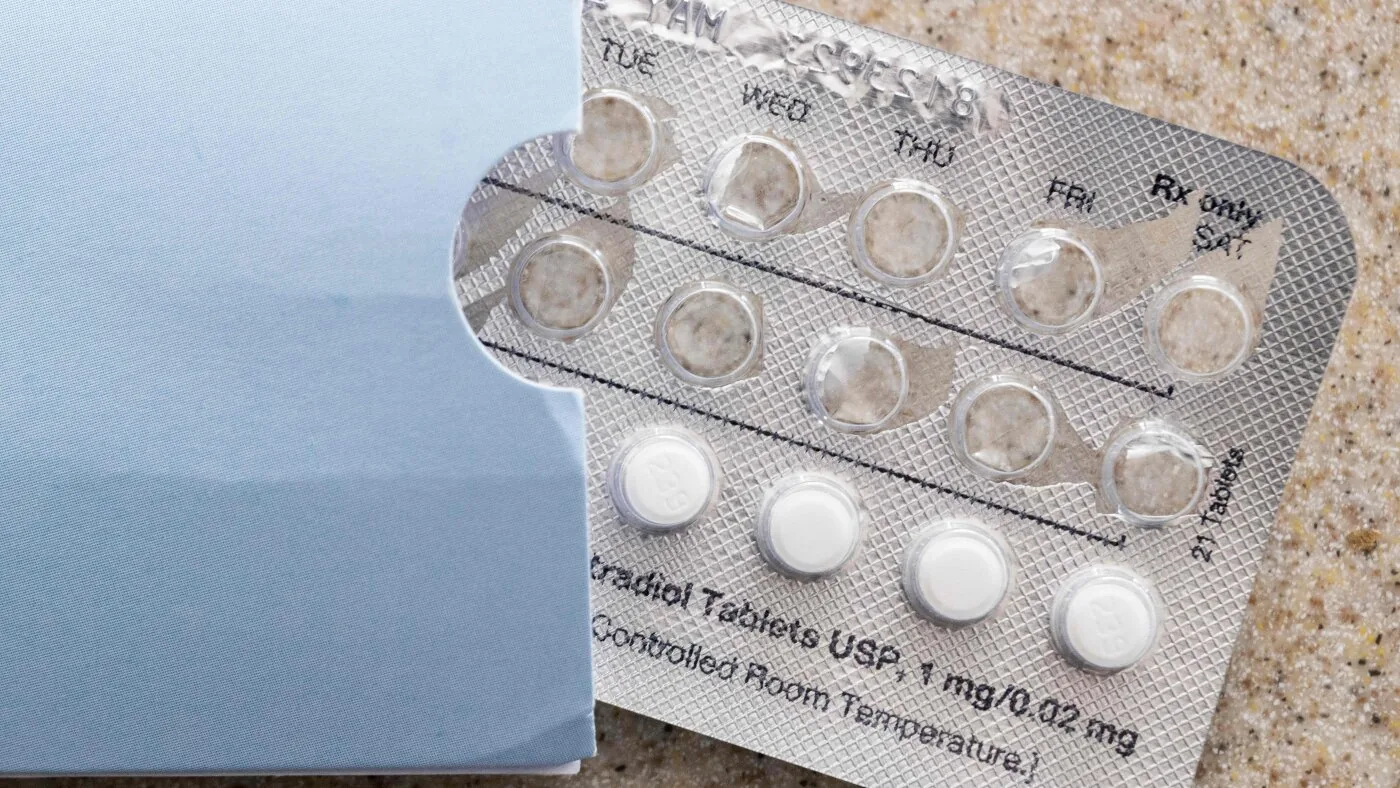
INDIANAPOLIS, IN — New questions are swirling around a basic political puzzle: abortions have gone up in recent years even after many states tightened restrictions. One explanation making the rounds online is that more people are turning away from hormonal birth control, which could lead to more unintended pregnancies. Researchers say there was a real post-Roe shift toward long-acting and permanent contraception, but the current moment looks messier.
In Indiana, OB-GYN Caitlin Bernard says abortion bans are no longer the main topic with many patients. Instead, she hears more about which method to use, whether insurance will cover it, and how to avoid surprise medical bills. For some patients, the bigger issue is simply cost. Others are thinking about social media messages that cast birth control, especially hormonal options, as something to avoid.
What People Say
Bernard says videos tied to “Make America Healthy Again” and “trad wife” influencers have become hard to miss online. The recurring message is that hormonal contraception is harmful, while non-hormonal options are often presented with less scrutiny. That framing is spreading widely even though the medical evidence supports the safety and effectiveness of hormonal birth control for preventing pregnancy.
Cynthia Harper, a contraception researcher at the University of California, San Francisco, says the chatter is part wellness culture and part ideology. In her view, social media personal stories that are not evidence-based are colliding with pronatalist ideas that treat women as destined to have many children. She says the result is a climate in which contraception has been pushed into an unusually bad light.
How It Started
After the Supreme Court overturned Roe v. Wade in 2022, many people expected abortion bans to change how Americans thought about birth control. That did happen for a while. Research showed more people got IUDs and implants, and procedures such as vasectomies and tubal ligation increased as people looked for longer-term protection. But those early reactions do not appear to explain everything that is happening now.
Harper argues that political and funding decisions may also matter, including cuts under the Trump administration that affected reproductive health providers and the broader health system. She says those changes can make contraception harder to reach even if the effect is not obvious in the most recent data. The picture, she says, points toward lower access to contraception overall.
Where It Stands
Not everyone reads the abortion numbers the same way. Brittni Frederiksen of KFF, a nonpartisan health research group, says she does not think shifts in contraception use are the main reason abortions have climbed. She believes the bigger driver is likely increased abortion access, especially telehealth medication abortion, which lets patients receive pills by mail or through a pharmacy after a remote visit.
KFF’s survey data adds another wrinkle. In 2024, 82% of sexually active reproductive-age women said they were using contraception, while 6% said they were not. Frederiksen says the 2026 survey looks broadly similar so far. That does not rule out cultural changes or access problems, but it does mean the birth control backlash remains a hypothesis, not a proven explanation.
More of what the internet is talking about, on West Fargo Packer.